Nosco Platform
Nosco is an online innovation management and collaboration platform that enables enterprises to collect, evaluate, mature and incubate ideas across organisational and geographical borders. Thousands of users across the globe use Nosco to drive innovation within their organisations. Clients include brands such as H&M Group, Orsted, MIT, Novo Nordisk or Velux.
.png)
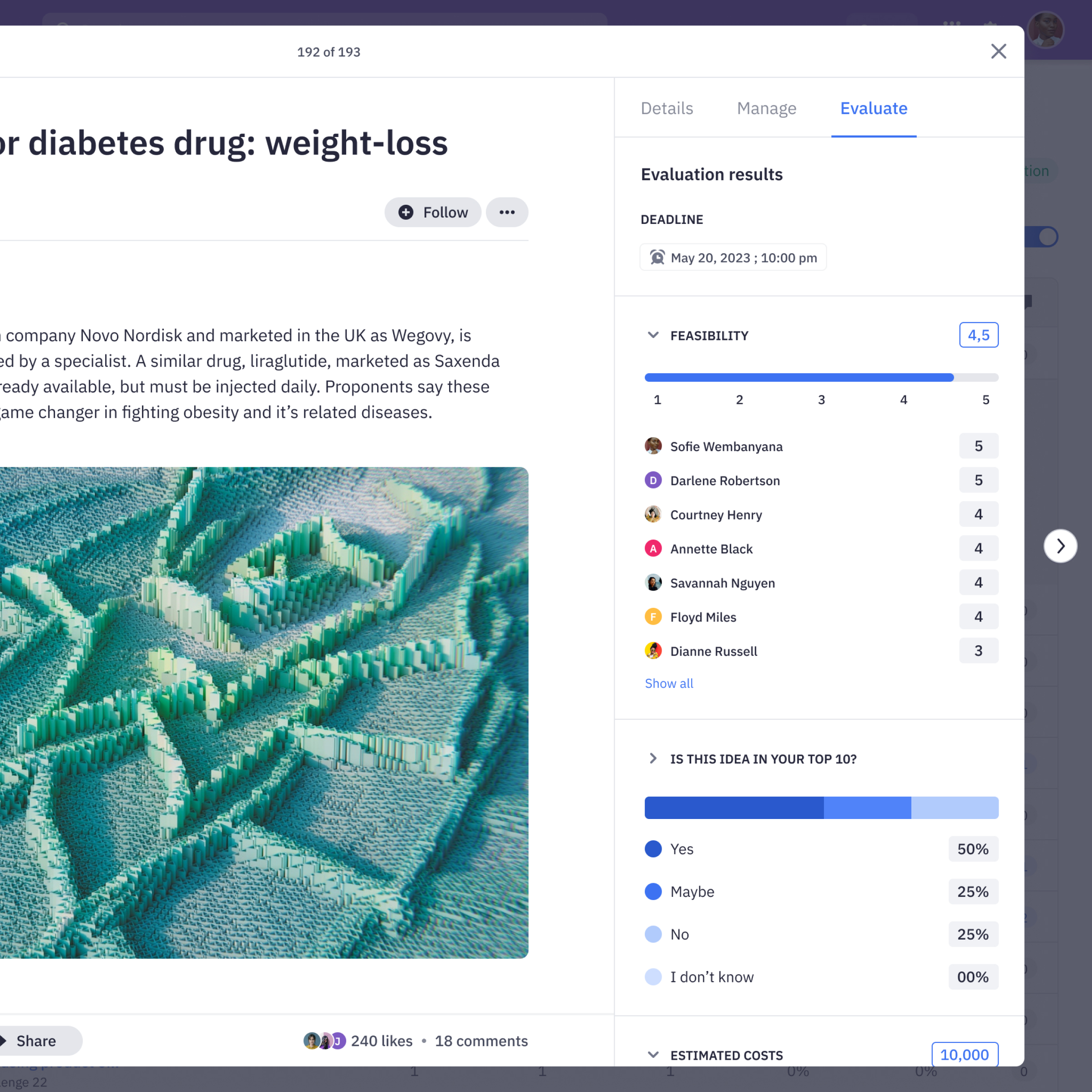
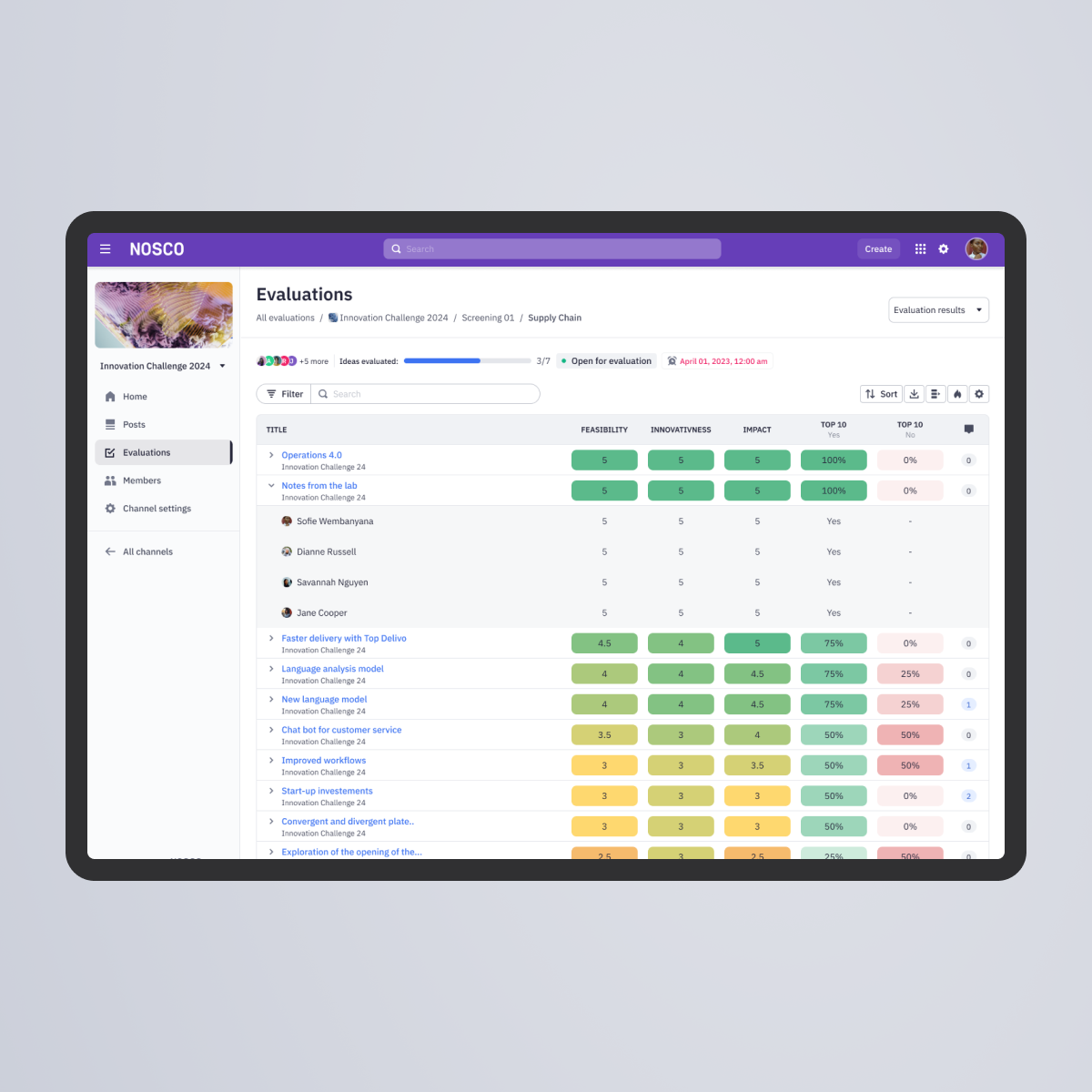
Nosco is a complex enterprise platform made up of multiple views, workflows, and components. Over time, the product had accumulated significant technical and design debt, resulting in legacy components, inconsistent patterns, and an unintuitive user experience. These challenges made it difficult to introduce new features efficiently and limited the platform’s ability to keep pace with evolving user needs and market expectations.
To address this, Nosco initiated a full rewrite of its codebase and infrastructure. In close collaboration, we supported a complete redesign and reimplementation of the platform - approaching the work screen by screen, starting with the admin environment and progressively moving towards the end-user interface.
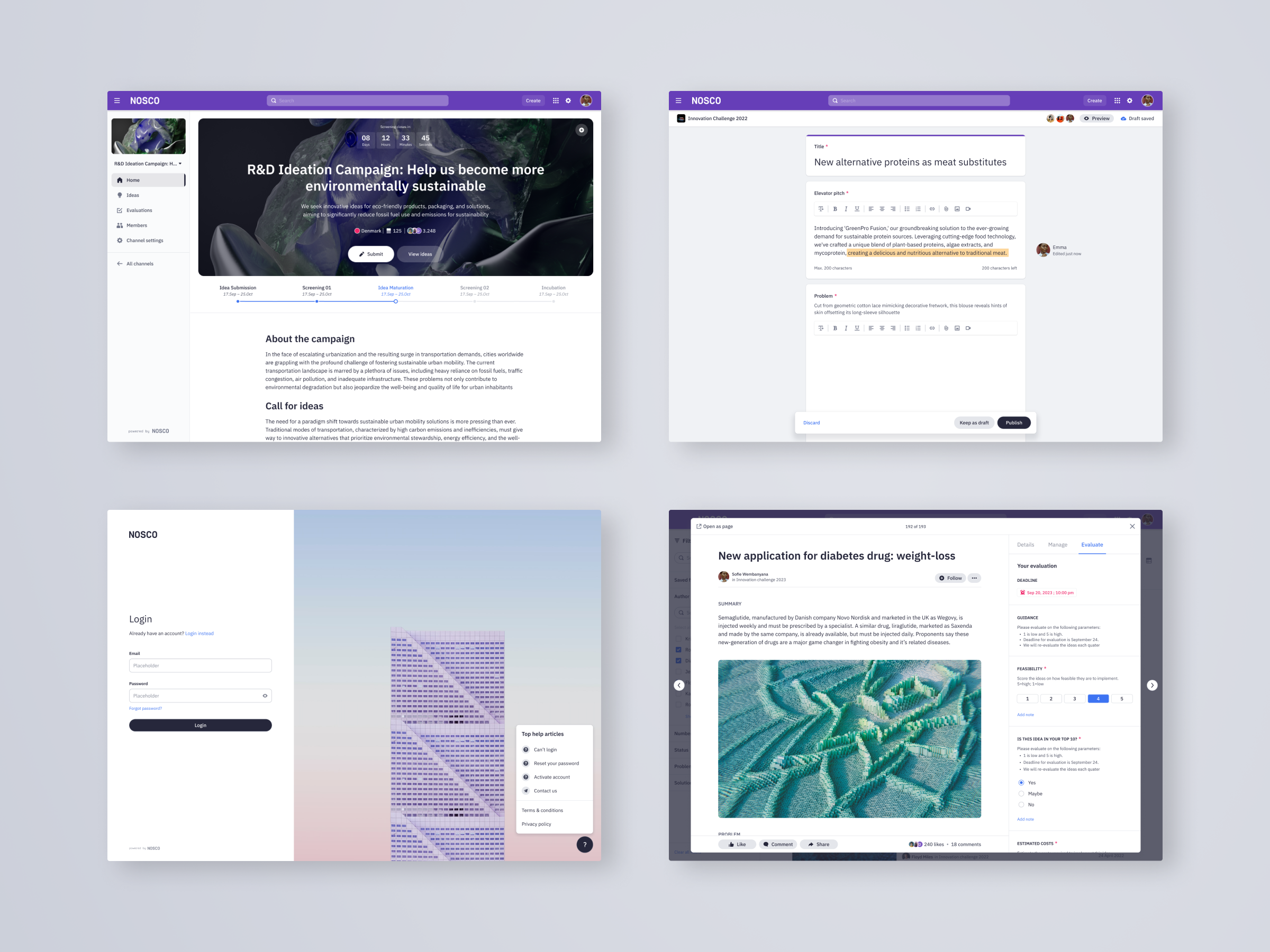
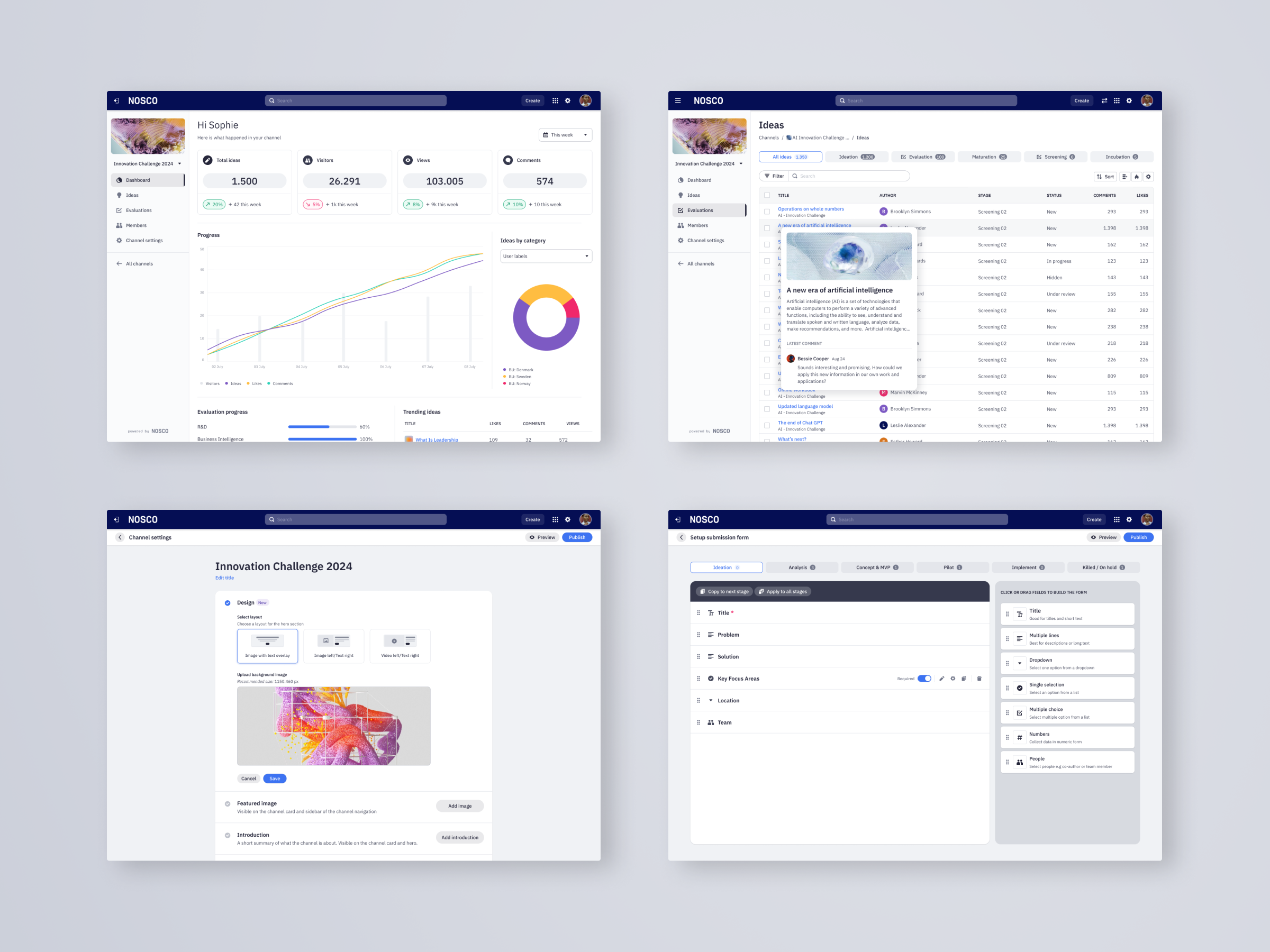
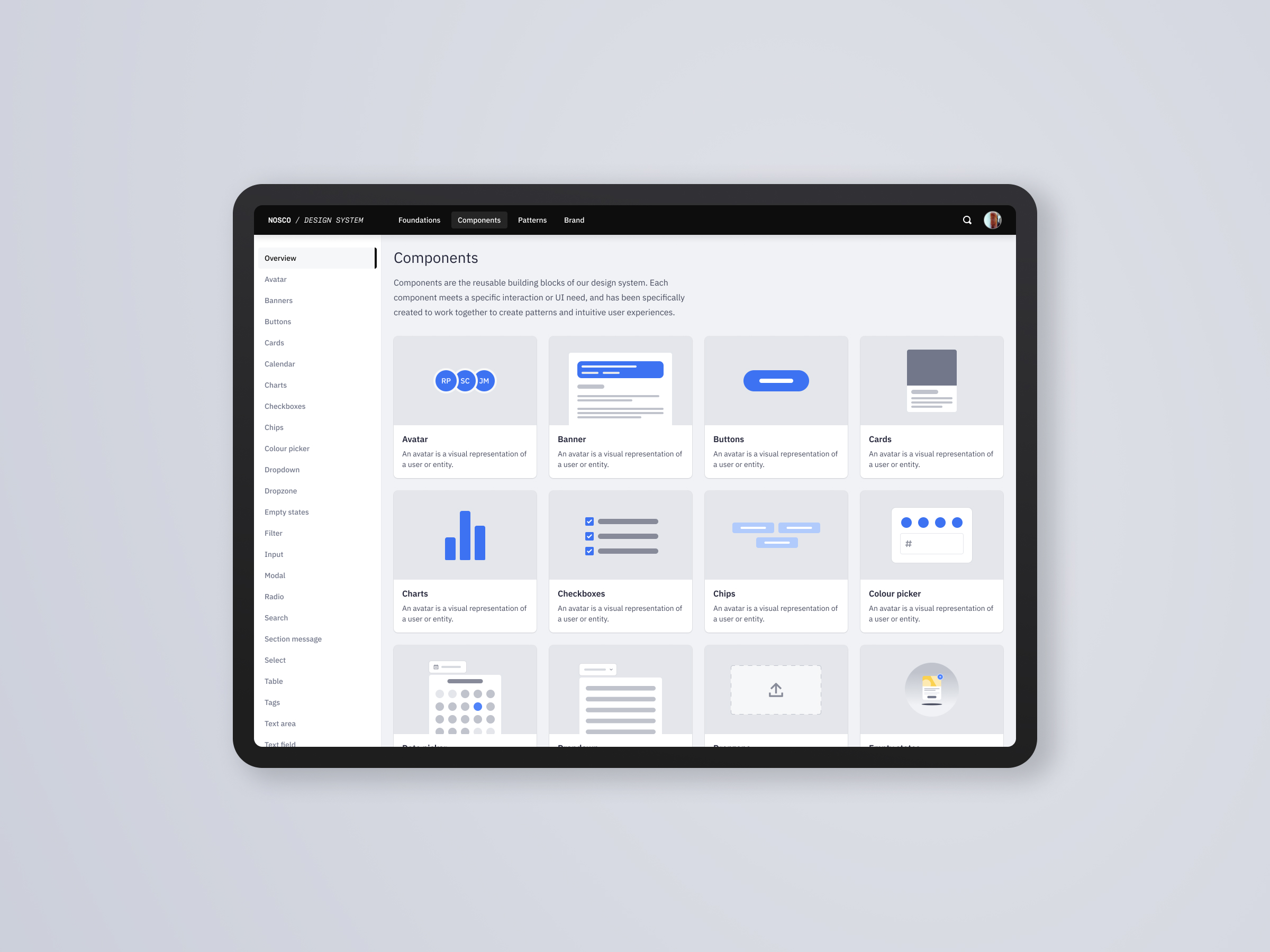
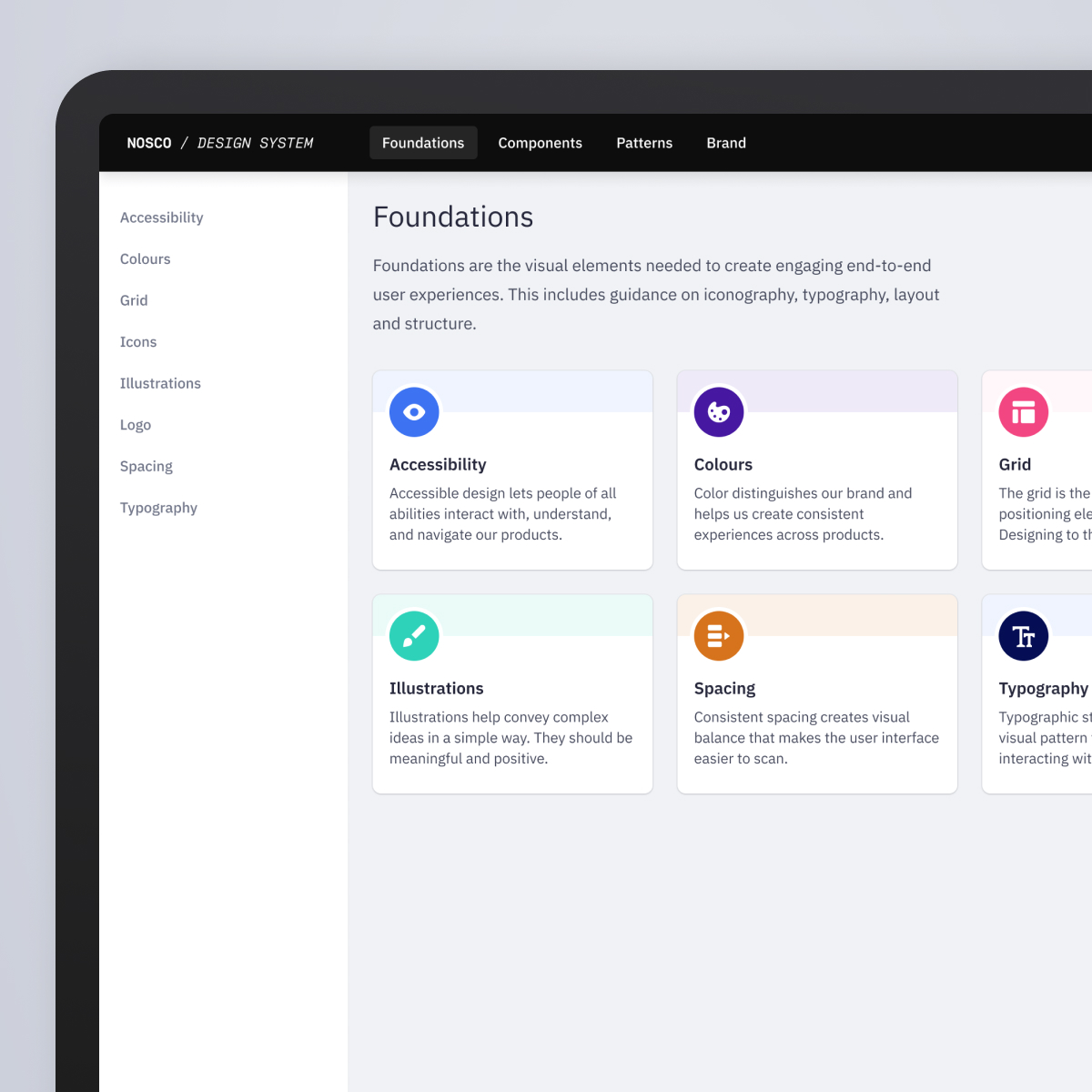
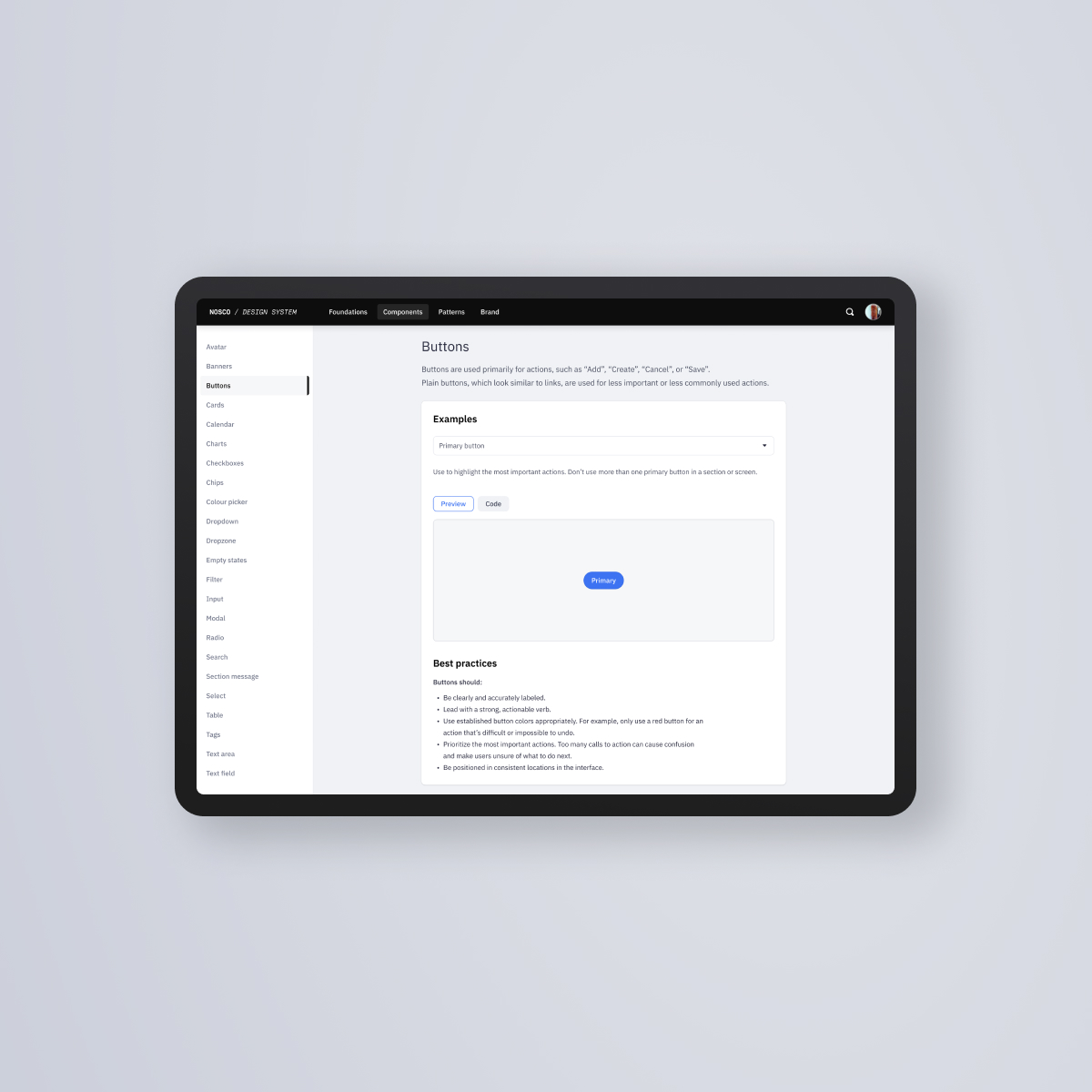
Alongside the redesign, a comprehensive design system was developed to standardise components, improve consistency, and enable scalability. Core UX patterns were rethought and refined, existing components were updated, and the overall visual language was elevated to create a more contemporary and cohesive product experience.
Beyond execution, we also contributed to product strategy, helping define and design new features that align with user needs and business goals. The result is a more intuitive, flexible, and future-ready platform that supports ongoing development and growth.
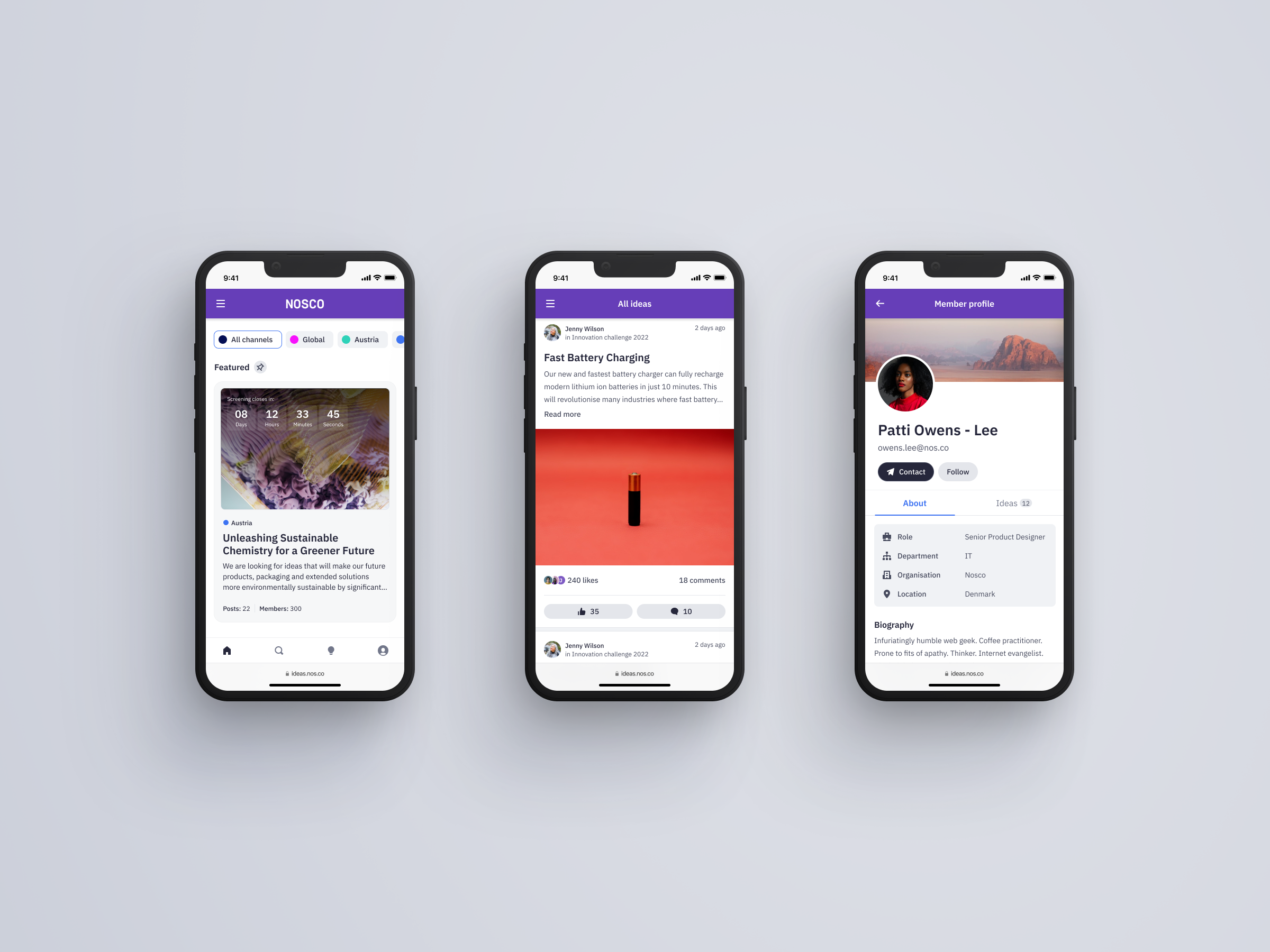
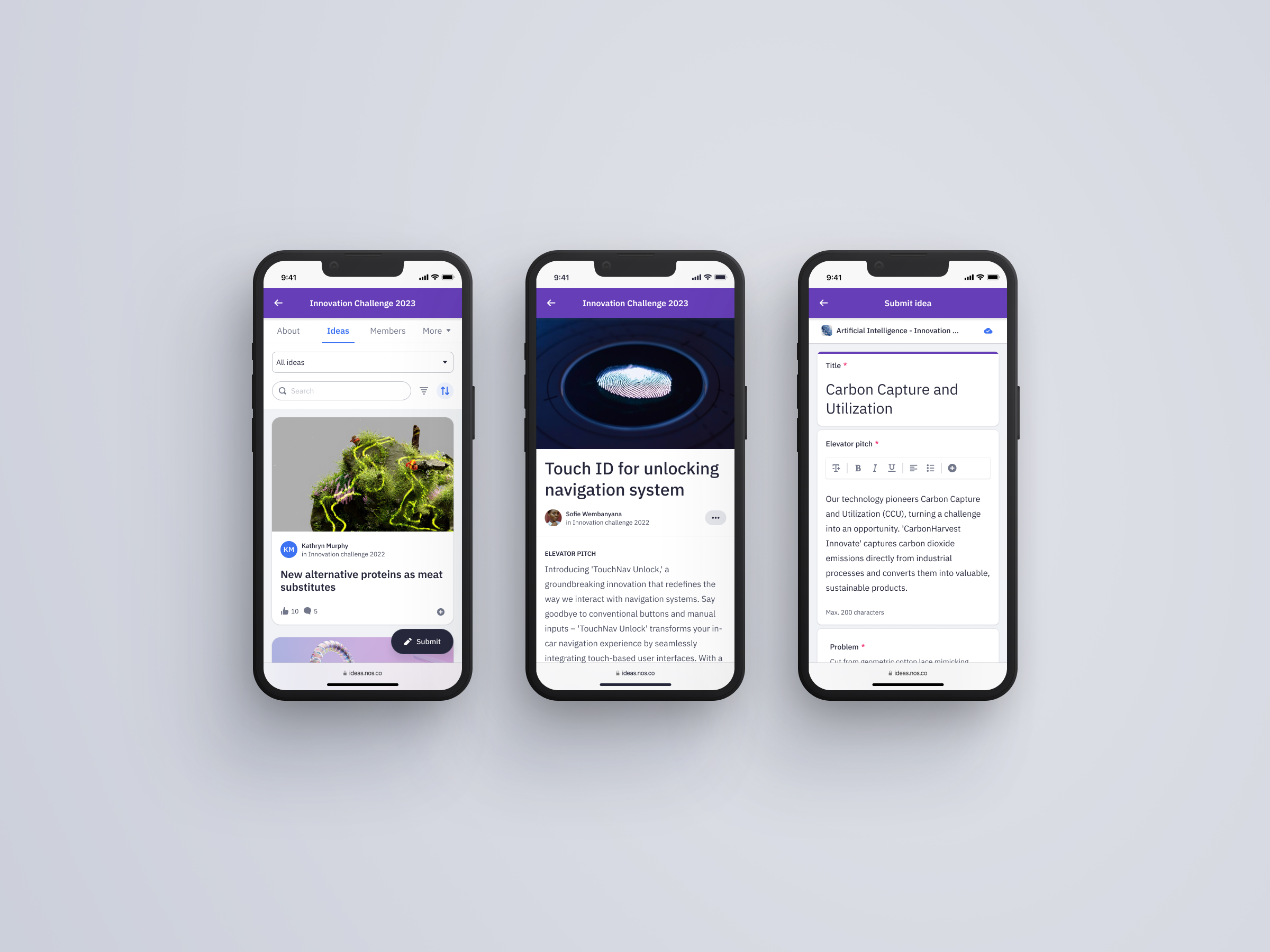
Historically, Nosco had underinvested in optimising the platform for mobile and tablet experiences, largely due to limited resources and low client demand. However, data and research indicated a clear shift toward increased mobile usage, prompting a more focused approach.
In response, we placed greater emphasis on responsive design, approaching the platform with a mobile-first mindset. Key usability issues were addressed, core interactions were rethought for smaller screens, and new mobile-optimised UI patterns were introduced. These improvements were supported by the expansion of the design system, including a dedicated set of mobile components to ensure consistency and scalability across devices.
.svg)
.jpg)
.jpg)